Genomics
Genomic basis of neural and behavioral diversification
Behavioral isolation can evolve rapidly under reinforcement, but the associated genomic and regulatory changes are less well described. In chorus frogs, shifts in advertisement calls and female preferences should be reflected in gene expression in auditory circuits, in loci that contribute to call structure, and in the phylogenetic relationships among populations. We address these questions with brain RNA sequencing, single-cell RNA sequencing, admixture mapping of call phenotypes, and anchored phylogenomics. The goal is to identify the genes and regulatory changes that accompany neural and behavioral divergence, and to test whether independent contact zones show parallel molecular evolution.
Neurogenomic divergence across replicate reinforced contact zones
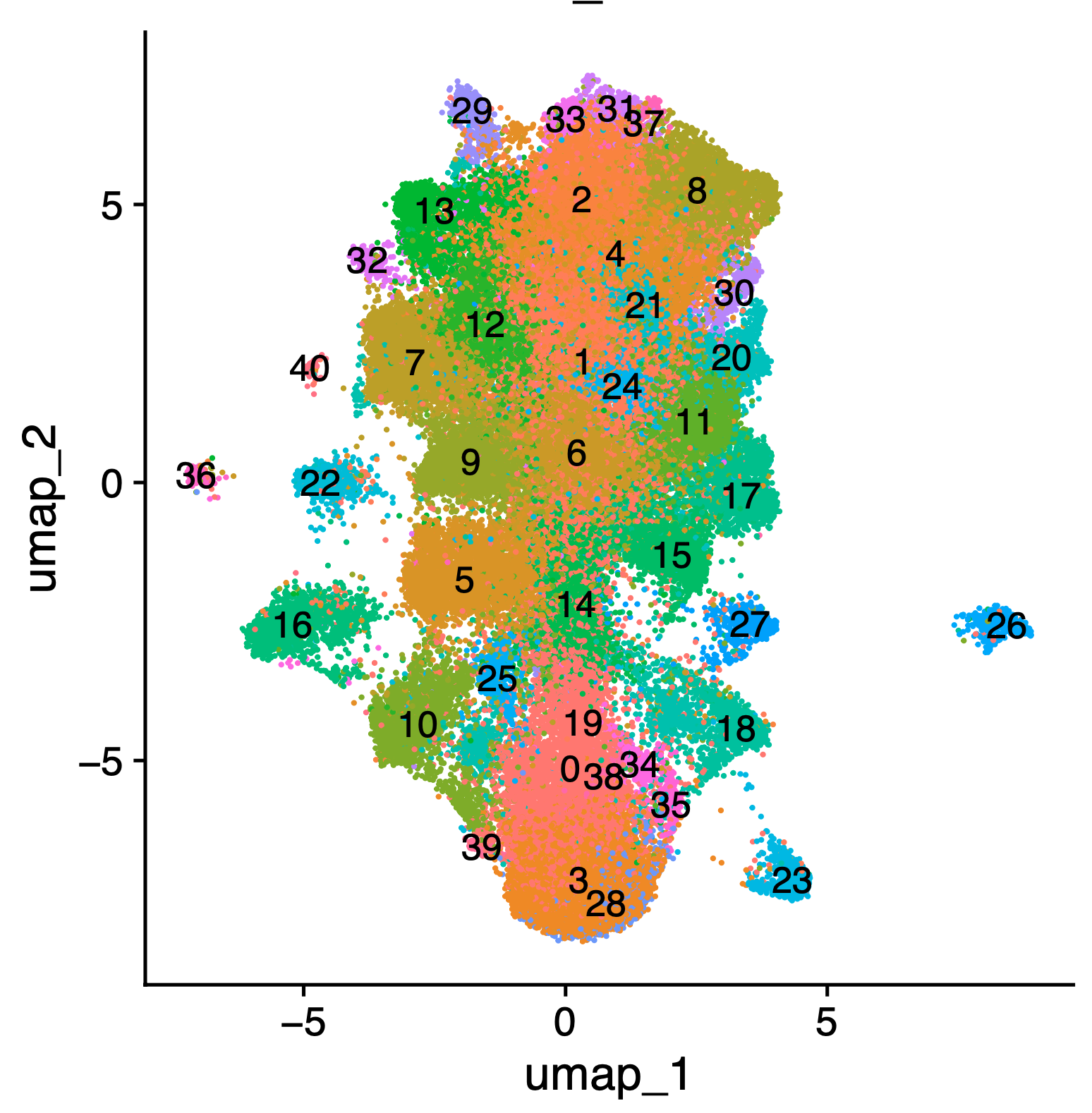
Does gene expression evolve in parallel when reinforcement occurs independently in different populations? P. feriarum has entered contact with congeners in multiple regions. Each contact zone is an independent case of selection against hybridization. We compare gene expression in the auditory midbrain across these replicates using bulk and single-cell RNA sequencing, and examines corresponding protein distributions with immunohistochemistry. The comparison tests whether similar selective regimes produce similar expression changes. Parallel shifts would suggest that reinforcement tends to favor the same molecular and cellular solutions. Non-parallel shifts would indicate that populations can achieve behavioral isolation through different regulatory paths. The work connects population-level behavioral divergence to expression change in the neurons that process mating calls. Dissertation: Ochoa, C. October 2026, Florida State University.
Admixture mapping to assess the genetic basis of acoustic signals
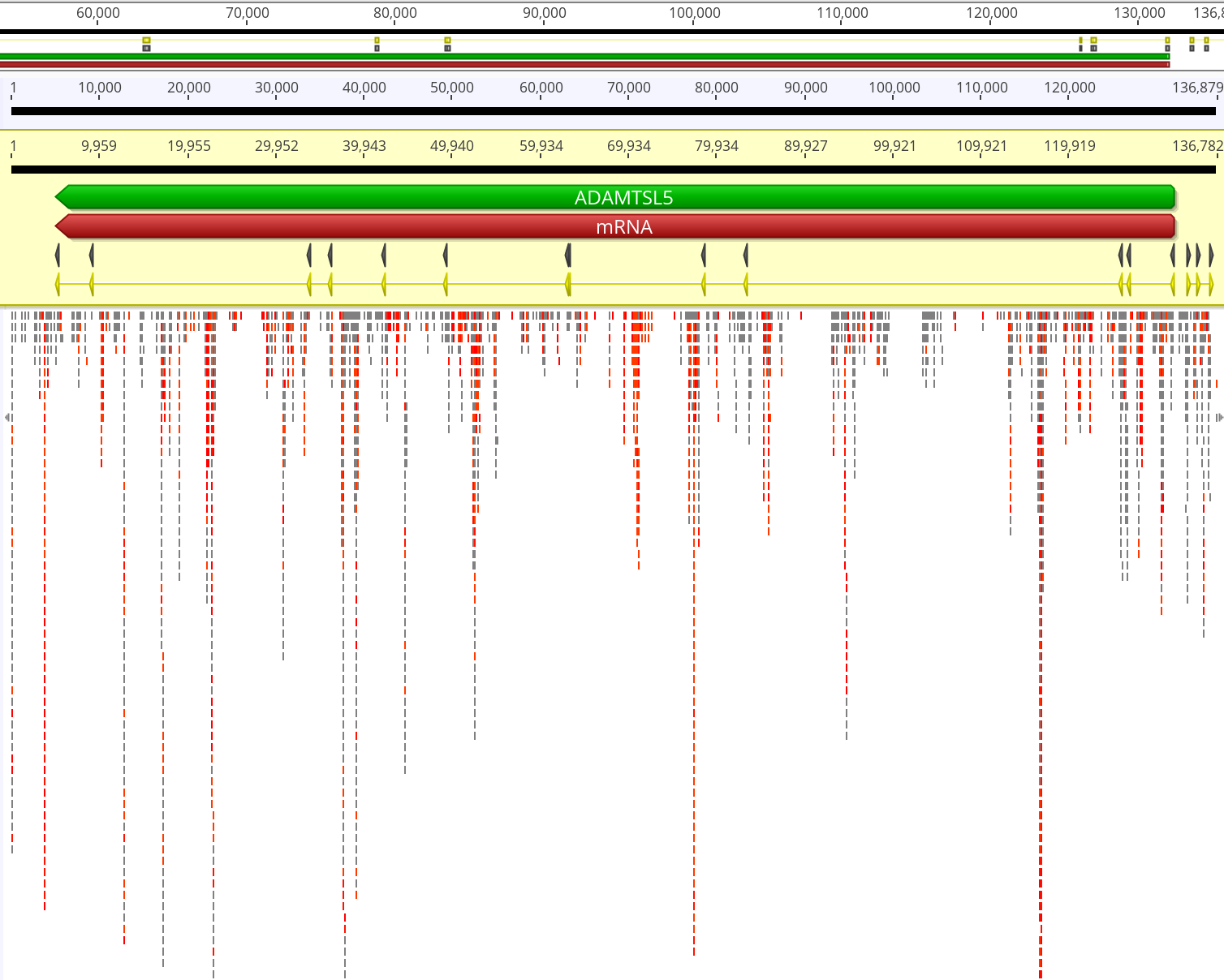
Which genomic regions are associated with variation in male advertisement calls? In a contact zone between reinforced and non-reinforced P. feriarum, interbreeding generates individuals that vary both in genotype and in call phenotype. We are testing for associations between male call traits—including pulse rate and pulse number—and genotypes at a dense set of markers using a novel technique developed in our lab. The design uses naturally occurring recombination to identify regions of the genome that contribute to acoustic signal variation. The results will provide an initial description of the genetic architecture of advertisement calls in this system and a basis for comparing genotype–phenotype maps across populations that differ in reinforcement history. Project underway.
Brain gene expression divergence during speciation
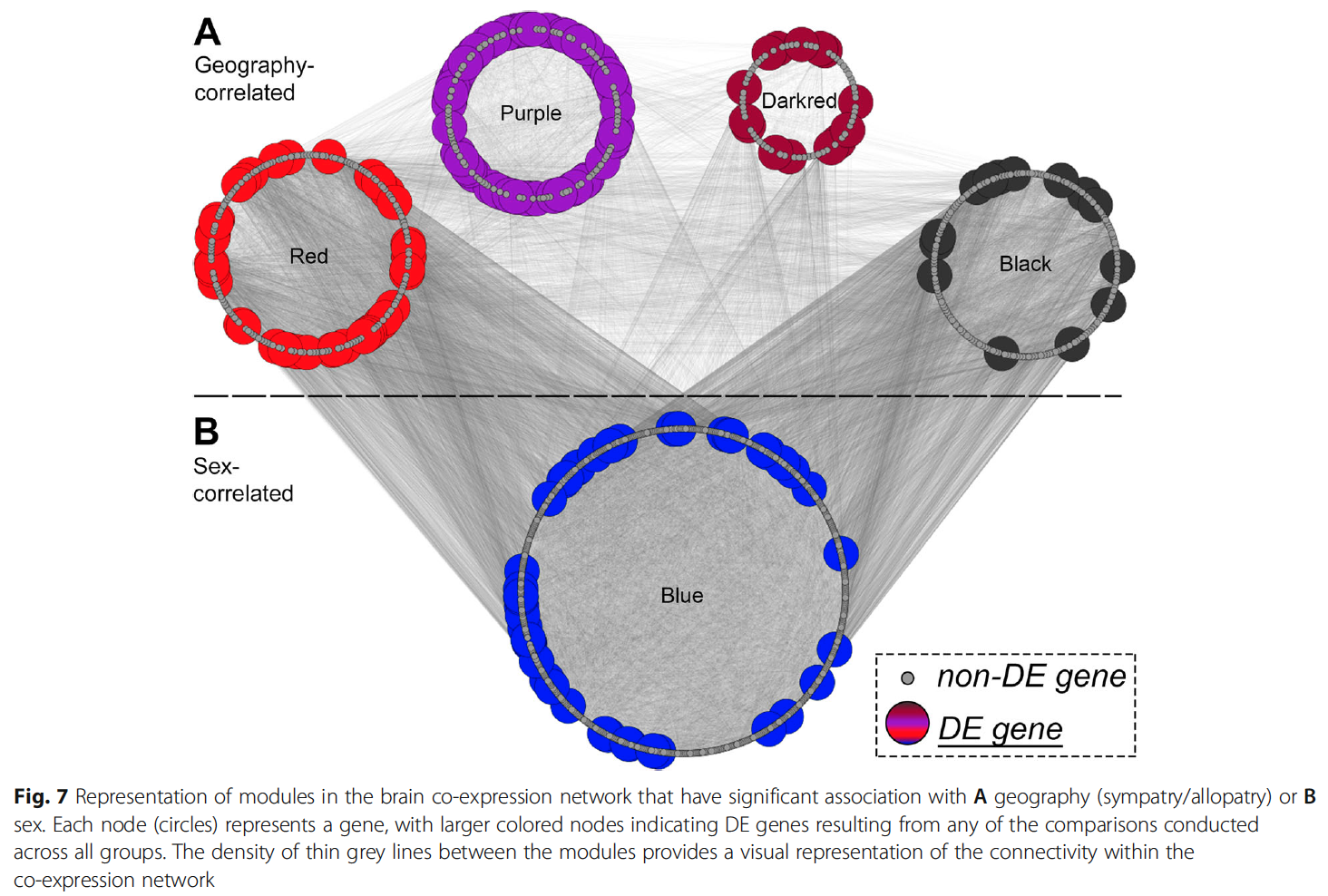
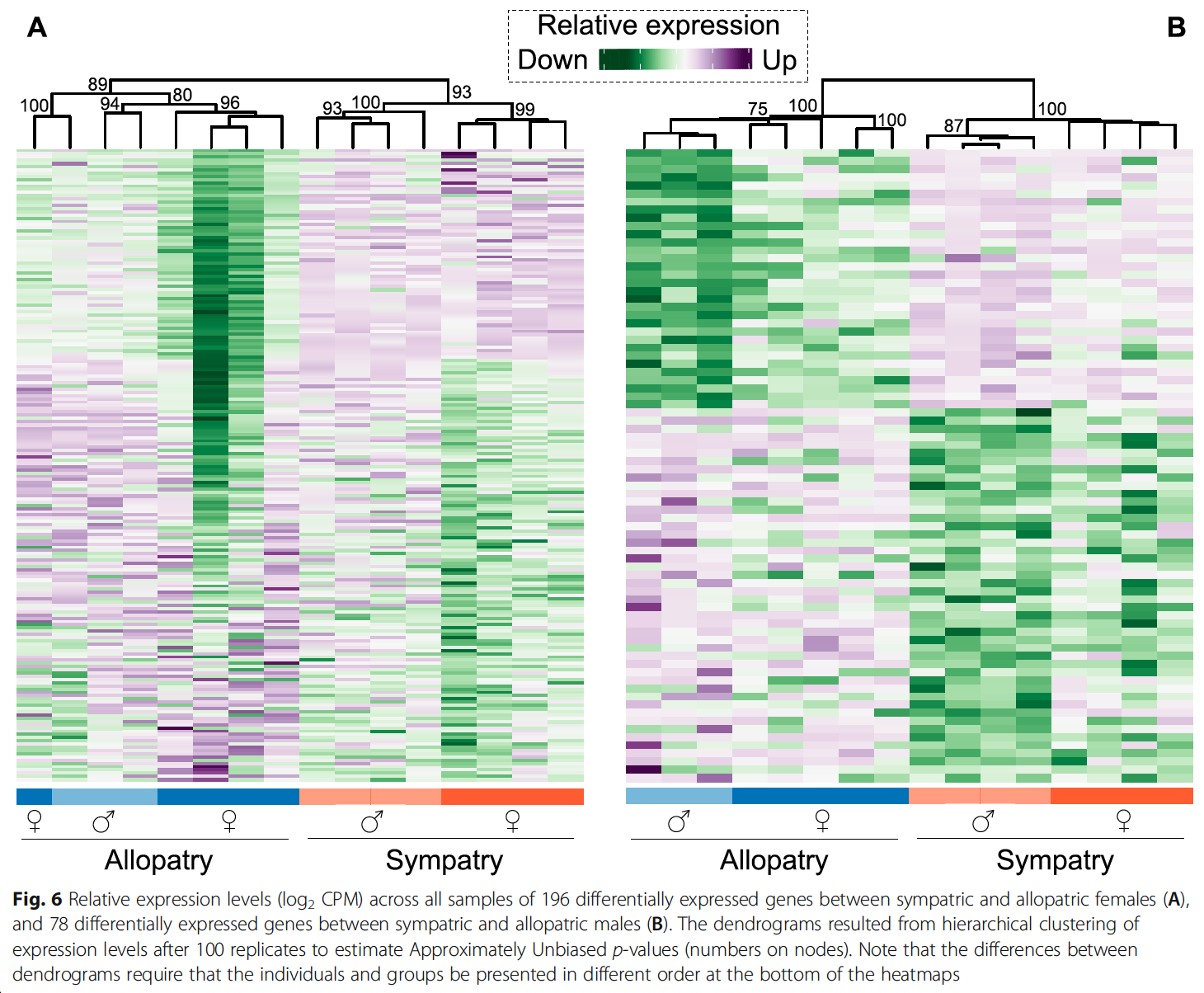
How does brain gene expression change as populations become reproductively isolated? Reinforcement can drive divergence in mating behavior among populations of the same species. If those behavioral changes have a neural basis, they should be accompanied by changes in the expression of genes that function at synapses. We compared brain transcriptomes of allopatric and sympatric Pseudacris feriarum and found differential expression of candidate synaptic-transmission genes, including several that encode synaptic-vesicle proteins. Co-expression analysis identified modules enriched for synaptic-membrane components and for nitric-oxide metabolism. More genes were differentially expressed in females than in males, consistent with stronger selection on female preference. These results indicate that cascade reinforcement is associated with divergence in neurotransmission-related expression, and they provide candidate loci for the neural changes that accompany behavioral isolation. Selected paper: Ospina et al. 2021, BMC Genomics.
Reconstructing the tree of life through Anchored Phylogenomics
How can genome-wide markers be obtained across broad taxonomic groups for reconstructing evolutionary relationships? Anchored hybrid enrichment isolates hundreds of conserved loci that can be compared across deep and shallow timescales, even when a closely related reference genome is unavailable. The approach was developed in this group and is applied through FSU's Center for Anchored Phylogenomics in collaborations spanning amphibians and many other taxa. The resulting phylogenies provide the historical framework for the rest of the research program: they identify independent contact zones, establish relationships among populations, and allow tests of whether particular traits are associated with increased diversification. The same data are used for population-genomic analyses of gene flow and hybrid ancestry in Pseudacris. 100+ papers, see Publications.